
Reduce Ultra-Processed Food on a Budget
You don't need to spend more to eat less processed food. Here are practical strategies for affordable, whole-food eating.
Key Takeaways
- Whole foods like rice, beans, oats, and eggs are often cheaper than processed alternatives
- Batch cooking on weekends saves both money and time during the week
- Frozen vegetables and fruits are nutritious, affordable, and reduce waste
- Planning meals and shopping with a list prevents impulse buys on processed snacks
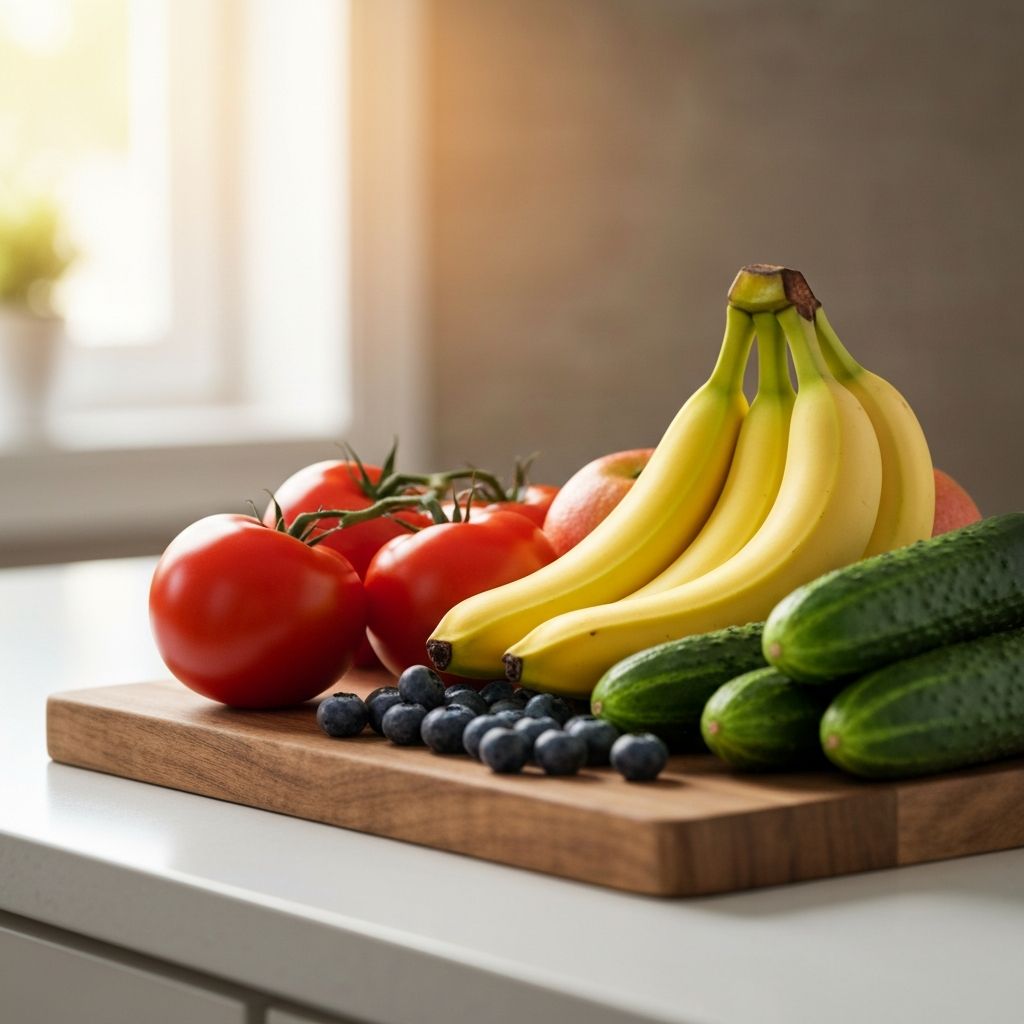
Budget-friendly whole foods that reduce your UPF intake
The Budget Myth
In short: Eating less ultra-processed food doesn't have to cost more. Many whole foods are cheaper than their processed counterparts when you know what to buy.
The idea that healthy eating is expensive often comes from comparing organic specialty items to cheap junk food. But basic whole foods—the ones that give you a low score on the UPFScore app—are often the most affordable items in the store.
Budget-Friendly Whole Food Staples
Grains & Legumes
- • Rice (white or brown) - versatile base
- • Dried beans and lentils - cheapest protein
- • Oats - breakfast for pennies
- • Pasta (simple ingredients)
- • Bread flour (for homemade bread)
Vegetables & Fruits
- • Cabbage - lasts weeks, very cheap
- • Carrots, onions, potatoes - staple trio
- • Frozen vegetables - no waste
- • Bananas - cheapest fruit
- • Seasonal produce - best prices
Proteins
- • Eggs - complete protein, very affordable
- • Canned fish (tuna, sardines)
- • Chicken thighs - cheaper than breasts
- • Tofu - often on sale
- • Peanut butter (no added sugar)
Pantry Essentials
- • Canned tomatoes (no sugar added)
- • Olive oil - a little goes far
- • Spices - transform cheap ingredients
- • Vinegar - for dressings
- • Garlic - flavor powerhouse
Want to see your meal's UPF Score?
Snap a photo and get an instant breakdown of ultra-processed foods on your plate.
Get My UPF Score Early AccessBatch Cooking Strategies
Cooking in batches saves both money and time. Spend 2-3 hours on the weekend preparing food for the week:
- Cook grains in bulk. Make a large pot of rice or quinoa. Store in portions for quick meals.
- Prep proteins ahead. Roast a whole chicken, cook a batch of beans, or make a large pot of lentil soup.
- Wash and chop vegetables. Having them ready makes cooking faster and reduces the temptation to grab processed snacks.
- Make versatile sauces. A simple tomato sauce or peanut sauce can transform leftovers into new meals.
Smart Shopping Tips
- Shop with a list. Plan your meals and stick to the list. This prevents impulse buys on processed snacks.
- Buy store brands. Generic whole foods are usually identical to name brands at lower prices.
- Check unit prices. Larger packages often offer better value for staples you'll use.
- Shop the perimeter. Most whole foods are around the store's edges; processed foods fill the center aisles.
- Don't shop hungry. You're more likely to buy processed convenience foods when hungry.
Sample Budget Week
Here's a sample week of meals with low UPF scores, designed for affordability:
- Breakfast: Oatmeal with banana and peanut butter (costs ~$0.75/serving)
- Lunch: Rice and beans with sautéed vegetables (costs ~$1.50/serving)
- Dinner: Roast chicken with potatoes and cabbage (costs ~$3/serving)
- Snacks: Eggs, carrots, homemade popcorn (costs ~$1/day)
Total: approximately $6-7 per day for three meals and snacks. Use the UPFScore app to verify these meals score low on the UPF scale.
For more practical food swap ideas, see our complete swap guide.
Frequently Asked Questions
Is eating less processed food more expensive?
Not necessarily. While some whole foods cost more, staples like rice, beans, oats, eggs, frozen vegetables, and seasonal produce are often cheaper than processed alternatives. The key is knowing which whole foods offer the best value.
What are the cheapest unprocessed foods?
Dried beans and lentils, rice, oats, eggs, cabbage, carrots, onions, potatoes, bananas, frozen vegetables, and canned tomatoes (no added sugar) are among the most affordable whole or minimally processed foods.
How can I meal prep on a budget?
Choose 2-3 protein sources and 3-4 vegetables for the week. Cook grains and proteins in bulk. Use versatile bases like rice or pasta that work with different sauces. Repurpose leftovers creatively—roast chicken becomes soup, then sandwiches.
Are frozen vegetables as healthy as fresh?
Yes, often they're equally nutritious or even more so. Frozen vegetables are picked and frozen at peak ripeness, preserving nutrients. They're also cheaper, last longer, and reduce food waste.
Sources & Further Reading
- Cost of healthy vs unhealthy diets
BMJ Open study on diet costs across income levels
- Nutritional quality of frozen produce
Journal of Food Composition and Analysis on frozen vs fresh
- USDA Food Plans: Cost of Food
Official US food cost data and thrifty meal planning
Educational Information Only
This content is for educational and awareness purposes only. It is not medical or dietary advice. Individual situations differ—please consult a healthcare professional for personalized guidance.
Check Your Meal's UPF Score
Ready to see how processed your meals really are?
Track which budget-friendly meals give you the best UPF scores. Snap your affordable home-cooked meals and see how they compare to processed alternatives.
Join the free early access list to try the app as soon as it's ready and get occasional tips on cutting ultra-processed foods. We'll only email you with important updates—no spam, ever.
Get My UPF Score Early AccessAbout UPFScore
UPFScore is on a mission to help people understand and reduce ultra-processed foods in their diet. Our AI-powered app makes it easy to see how processed your meals really are.
Built by someone passionate about making healthy eating simpler and more accessible for everyone.
Learn more about us and our mission →