
UPF Score Explained: What Your Score Means
Your UPF score is a simple 1-4 rating that shows how processed your meal is. Here's exactly what each score means and how to use it for better food choices.
Key Takeaways
- UPF scores range from 1 (mostly whole foods) to 4 (heavily ultra-processed)
- A score of 1-2 indicates a meal with minimal processing - aim for this most of the time
- Score 3-4 suggests high ultra-processed content - consider swapping some items
- Your score helps you make informed choices, not perfect ones
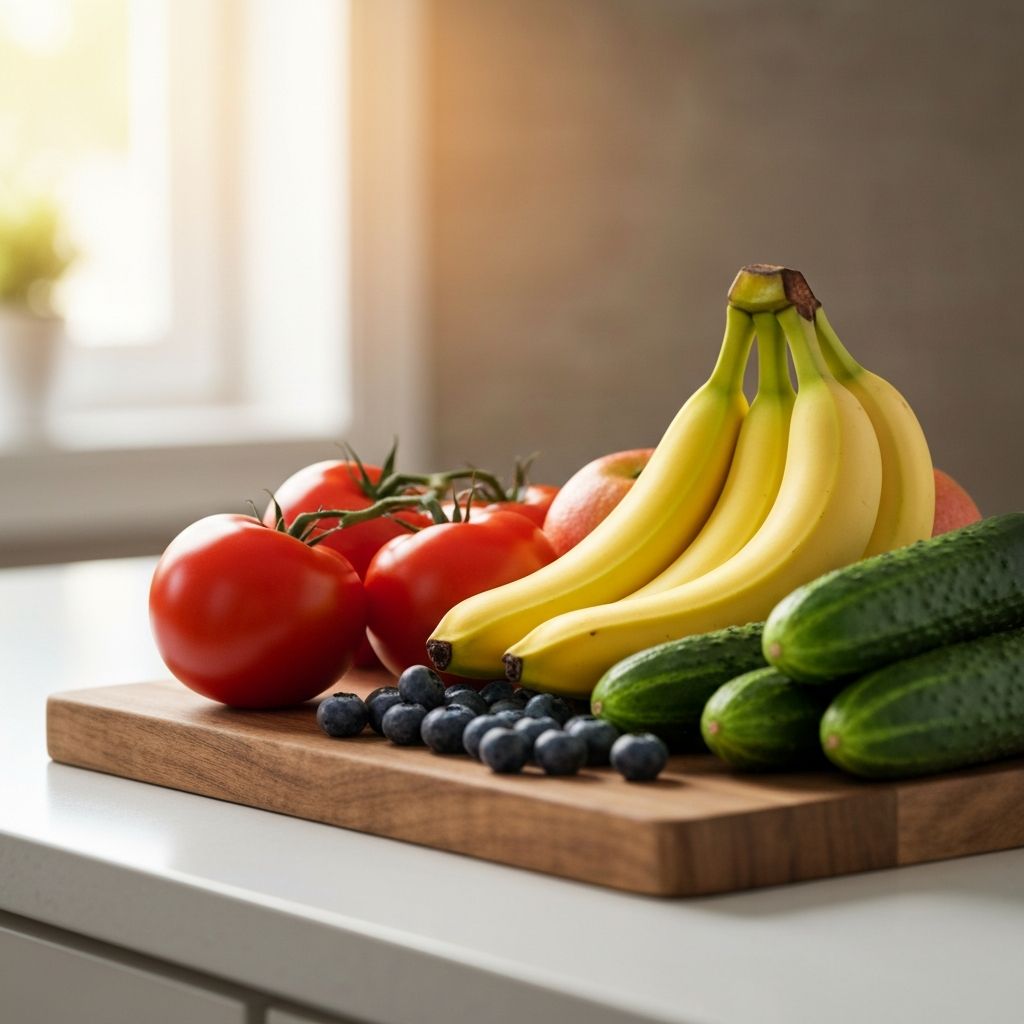
UPFScore gives you a clear 1-4 rating for any meal
What Is a UPF Score?
A UPF score is a simple rating from 1 to 4 that tells you how much ultra-processed food is in your meal. The UPFScore app analyzes a photo of your food and gives you this score instantly.
In short: Lower scores (1-2) mean more whole foods. Higher scores (3-4) mean more ultra-processed content. Most people should aim for 1-2 most of the time.
The Score Breakdown
Excellent
Mostly whole, unprocessed foods
Example meals: Grilled salmon with steamed vegetables, fresh salad with olive oil, fruit and nuts
Good
Minimally processed with some processed items
Example meals: Pasta with homemade sauce, sandwich on sourdough bread, stir-fry with rice
Moderate
Contains notable ultra-processed items
Example meals: Deli sandwich with chips, pizza with processed toppings, ready-meal with sides
High UPF
Heavily ultra-processed meal
Example meals: Fast food combo meal, instant noodles with packaged snacks, frozen pizza with soda
Want to see your meal's UPF Score?
Snap a photo and get an instant breakdown of ultra-processed foods on your plate.
Get My UPF Score Early AccessHow to Use Your Score
Your UPF score isn't about perfection—it's about awareness. Here's a practical approach:
- Track patterns, not individual meals. One high score won't derail your health. Look at your weekly average.
- Focus on small swaps. Moving from a 4 to a 3, or a 3 to a 2, is meaningful progress. Check out our food swap guide for ideas.
- Use it for learning. Surprised by a score? It's a chance to discover which foods are more processed than you thought.
What Affects Your Score?
Several factors influence your meal's UPF score:
- Ingredient complexity: Foods with long ingredient lists and additives score higher
- Processing methods: Industrial processes like hydrogenation or extrusion increase scores
- Proportion: A meal with mostly whole foods but one processed item will still score well
- Preparation: Homemade versions usually score lower than store-bought equivalents
Learn more about how processing levels are determined in our methodology page.
Tips for Improving Your Score
- Start with breakfast. Swapping cereal for oatmeal or eggs is an easy win.
- Read labels. Our label reading guide helps you identify UPF.
- Cook more. Even simple home cooking usually beats packaged alternatives.
- Make gradual changes. Aim to improve one meal at a time, not your entire diet overnight.
Frequently Asked Questions
What is a good UPF score?
A score of 1 or 2 is considered good, indicating your meal is mostly whole or minimally processed foods. Aim for these scores for the majority of your meals, while understanding that occasional higher scores are perfectly normal.
How is the UPF score calculated?
UPFScore uses AI image recognition to identify foods in your meal photo, then estimates the processing level of each item based on the NOVA classification system. The overall score reflects the weighted average of all identified items.
Can I improve my UPF score without changing my whole diet?
Yes! Small swaps make a big difference. Replacing one or two ultra-processed items with whole food alternatives can significantly lower your score. For example, swapping packaged bread for sourdough, or sugary yogurt for plain yogurt with fresh fruit.
Why does the same food sometimes get different scores?
The score depends on the specific version of the food. A homemade burger scores differently from a fast-food burger. The AI estimates based on typical ingredients, but variations exist. The score is a helpful guide, not an exact measurement.
Sources & Further Reading
- NOVA Food Classification System
FAO overview of the NOVA classification framework
- Ultra-processed food intake and health outcomes
BMJ umbrella review on UPF and health (2024)
- Food processing and nutrition
Nutrients journal on processing and diet quality
Educational Information Only
This content is for educational and awareness purposes only. It is not medical or dietary advice. Individual situations differ—please consult a healthcare professional for personalized guidance.
Check Your Meal's UPF Score
Ready to see how processed your meals really are?
Understanding your UPF score is the first step. Start scanning your meals to see your actual scores and track your progress toward less processed eating.
Join the free early access list to try the app as soon as it's ready and get occasional tips on cutting ultra-processed foods. We'll only email you with important updates—no spam, ever.
Get My UPF Score Early AccessAbout UPFScore
UPFScore is on a mission to help people understand and reduce ultra-processed foods in their diet. Our AI-powered app makes it easy to see how processed your meals really are.
Built by someone passionate about making healthy eating simpler and more accessible for everyone.
Learn more about us and our mission →