
What Is the Ultra-Processed Food List?
Many people search for a definitive list of ultra-processed foods. While there's no single official list, this guide covers the main categories, everyday examples, and how to identify UPF yourself.
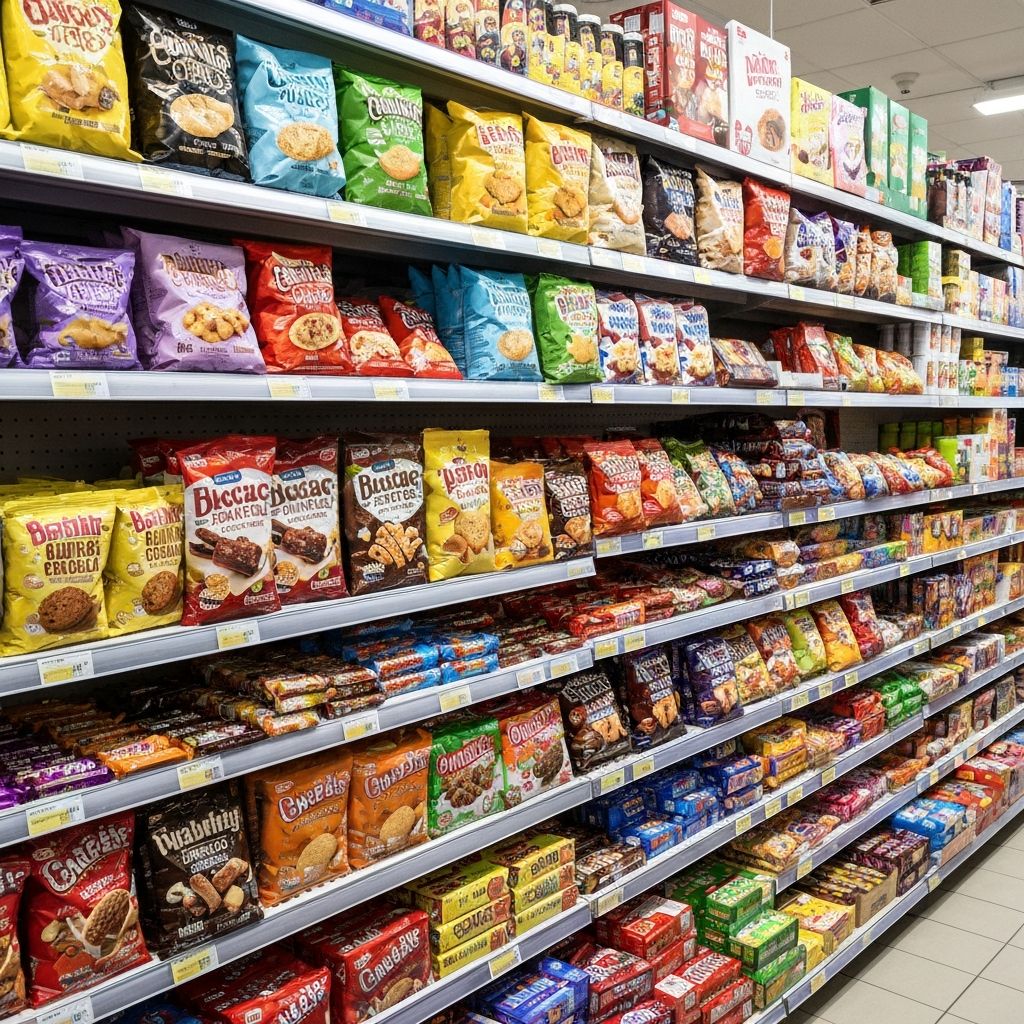
Learning to identify UPF is more practical than memorizing a list
Key Takeaways
- There's no single official 'ultra-processed food list'—it's based on classification criteria
- The NOVA system defines UPF by ingredients and processing methods, not specific products
- Common categories: soft drinks, packaged snacks, ready meals, processed meats, most cereals
- The same food type (e.g., bread) can be processed or ultra-processed depending on ingredients
- Building awareness of your own diet is more useful than memorizing a list
Turn your own meals into a personal UPF list
Use UPFScore to scan your meals and build awareness of which foods in your diet are ultra-processed.
Why There's No Single Official "Ultra-Processed Food List"
Unlike allergens or specific nutrients, ultra-processed foods aren't regulated with official lists. Instead, classification comes from the NOVA system, which defines criteria based on:
- The type of ingredients used (industrial additives, flavor enhancers, etc.)
- How the food was processed (industrial formulation vs. traditional cooking)
- Whether ingredients would be found in a typical home kitchen
This means the same product type can fall into different categories. Simple bread is processed; bread with 20 ingredients is ultra-processed.
Want to see your meal's UPF Score?
Snap a photo and get an instant breakdown of ultra-processed foods on your plate.
Get My UPF Score Early AccessCommon Categories of Ultra-Processed Foods
While specific products vary, these categories consistently qualify as ultra-processed:
Drinks
Soft drinks, energy drinks, sweetened coffee drinks, fruit drinks (not 100% juice), flavored waters with additives
Packaged Snacks
Chips, crackers, cookies, candy, chocolate bars, snack cakes, flavored nuts, protein bars (most)
Ready Meals
Frozen dinners, instant noodles, microwaveable meals, pizza, pre-made sandwiches, meal kits with sauces
Processed Meats
Hot dogs, sausages, bacon, deli meats, chicken nuggets, fish sticks, reconstituted meat products
Breakfast Foods
Most cereals, instant oatmeal packets, toaster pastries, breakfast bars, flavored yogurts
Everyday Examples by Meal
Breakfast
Frosted cereals, flavored instant oatmeal, toaster pastries, sweetened yogurt, breakfast sandwiches from fast food, fruit juice drinks
Lunch
Deli meat sandwiches on soft white bread, instant soup cups, chips, packaged cookies, soda, fast food burgers
Dinner
Frozen pizza, chicken nuggets with fries, instant mac and cheese, ready meals, bottled sauces with long ingredient lists
Snacks
Chips, crackers, candy, chocolate bars, energy drinks, flavored coffee drinks, protein bars
How to Use Lists Without Becoming Obsessed
Rather than memorizing lists, focus on these practical approaches:
- Identify your biggest UPF sources: Where do you eat the most processed foods?
- Focus on big drivers, not perfection: Cutting soft drinks matters more than worrying about bread
- Remember some products are borderline: Don't stress about edge cases
- Build awareness over time: You'll naturally learn to spot UPF
Related Guides
What Is Ultra-Processed Food? →
Detailed explanation of UPF and the NOVA system.
How to Spot UPF on Labels →
Learn to identify UPF when shopping.
Frequently Asked Questions
Is there an official government list of ultra-processed foods?
No. Governments don't publish official UPF lists. The classification is based on the NOVA system, which defines criteria for what counts as ultra-processed. Whether a specific product qualifies depends on its ingredients and how it was made.
How can I tell if something is on the 'list'?
Check the ingredient list. If it contains 5+ ingredients, including things you wouldn't use at home (emulsifiers, flavor enhancers, colorings, etc.), it's likely ultra-processed. Long lists with unfamiliar chemical names are red flags.
Are all packaged foods ultra-processed?
No. Frozen vegetables, canned beans, plain yogurt, and many other packaged foods are minimally processed. Packaging alone doesn't make something ultra-processed—it's about the ingredients and processing methods used.
Can the same food be both processed and ultra-processed?
Yes, depending on how it's made. Simple bread with flour, water, yeast, and salt is processed. Mass-produced bread with emulsifiers, preservatives, and dough conditioners is ultra-processed. Always check the label.
Sources & Further Reading
- NOVA Food Classification System
Original research paper defining the NOVA classification system.
- Open Food Facts - NOVA Groups
Database of products classified by NOVA group with examples.
- Ultra-processed food consumption in the UK
Study on UPF consumption patterns with food examples.
About UPFScore
UPFScore is on a mission to help people understand and reduce ultra-processed foods in their diet. Our AI-powered app makes it easy to see how processed your meals really are.
Built by someone passionate about making healthy eating simpler and more accessible for everyone.
Learn more about us and our mission →Check Your Meal's UPF Score
Ready to see how processed your meals really are?
Rather than memorizing lists, let UPFScore analyze your actual meals. It's personalized awareness that leads to lasting change.
Join the free early access list to try the app as soon as it's ready and get occasional tips on cutting ultra-processed foods. We'll only email you with important updates—no spam, ever.
Get My UPF Score Early Access