
Ultra-Processed Foods and Weight Loss: What You Need to Know
If you've struggled with weight management, ultra-processed foods might be part of the picture. Research suggests that UPF consumption is linked to weight gain—and reducing it may help support your goals.
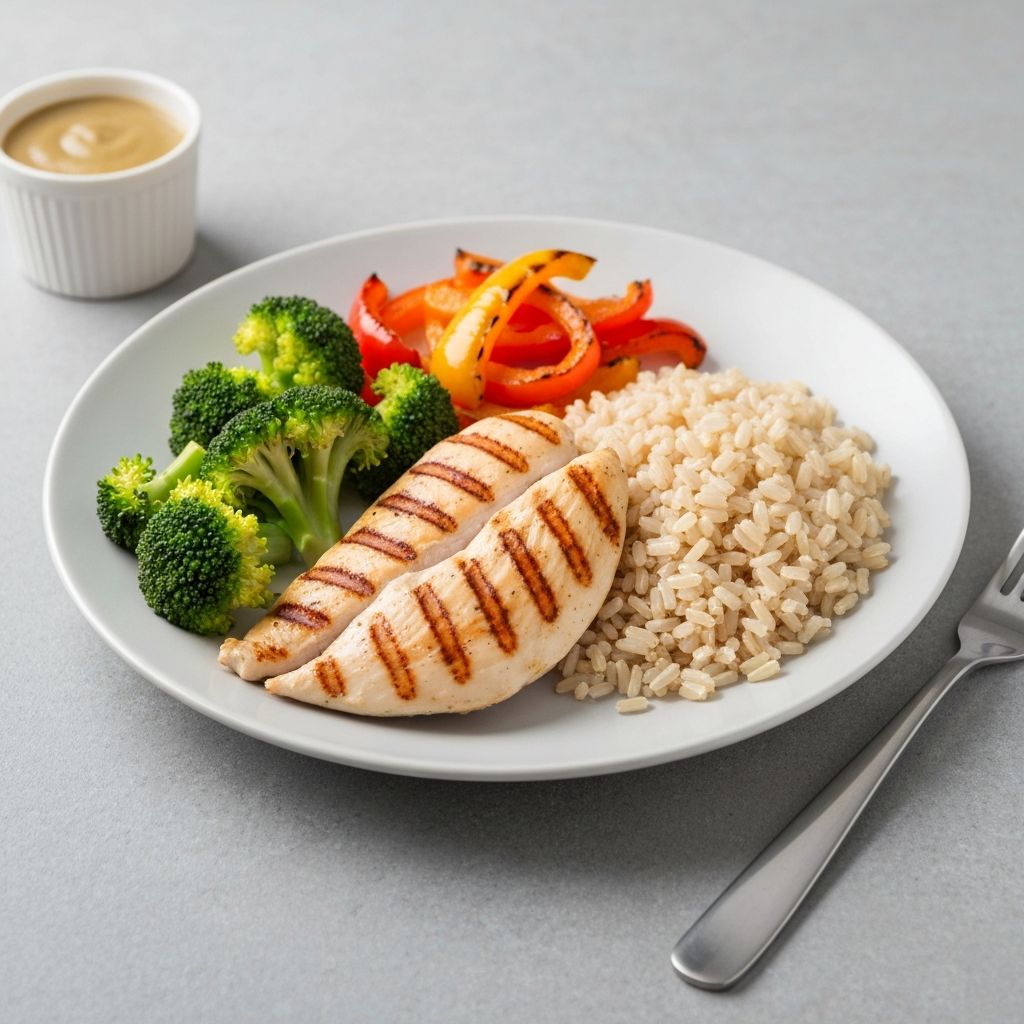
Food quality matters as much as quantity for weight management
Key Takeaways
- UPF is engineered to be easy to overeat—it's not just about willpower
- A landmark NIH study found people ate 500 more calories/day on a UPF diet
- Reducing UPF may help with weight management even without calorie counting
- Focus on food quality (whole foods) alongside quantity
- Small reductions in UPF can make meaningful differences over time
Track UPF alongside your weight goals.
Use UPFScore to monitor your meals' processing levels as a new metric alongside calories or macros.
Why Ultra-Processed Foods Promote Overeating
Ultra-processed foods are designed to be highly palatable and easy to eat quickly. Several factors contribute to overconsumption:
- Hyper-palatability: Engineered combinations of salt, sugar, and fat that override natural fullness signals
- Low satiety: Lack of fiber and protein means you don't feel full
- Fast eating speed: Soft textures require less chewing, leading to faster consumption
- High calorie density: More calories per bite than whole foods
- Portion distortion: Package sizes encourage eating more than needed
Want to see your meal's UPF Score?
Snap a photo and get an instant breakdown of ultra-processed foods on your plate.
Get My UPF Score Early AccessWhat Research Says About UPF and Weight
A landmark 2019 NIH study provided compelling evidence:
Participants eating an ultra-processed diet consumed about 500 more calories per day and gained weight, compared to those eating unprocessed foods—even when both diets were matched for available calories, sugar, fat, fiber, and macronutrients.
Other research has found:
- Each 10% increase in UPF calories is associated with higher obesity risk
- Higher UPF consumption is linked to larger waist circumference
- Replacing UPF with whole foods is associated with better weight outcomes
- The association holds even after controlling for nutrient content
Weight-Loss Strategies That Focus on Processing
Instead of just counting calories, consider focusing on food quality:
- Start with drinks: Replace sodas and sweetened beverages with water, tea, or coffee
- Target high-UPF snacks: Swap chips and cookies for nuts, fruit, or yogurt
- Cook more meals at home: Even simple home cooking is usually less processed than takeout
- Read labels: Choose products with shorter, recognizable ingredient lists
- Don't aim for perfection: Reducing UPF by 20-30% can make a meaningful difference
For specific ideas, check our guide to simple ultra-processed food swaps.
Related Guides
Simple UPF Swaps →
Practical alternatives for everyday meals.
Health Risks of UPF →
The broader health impacts beyond weight.
Frequently Asked Questions
Will cutting UPF automatically help me lose weight?
Not automatically, but it may help. Whole foods are typically more filling per calorie, which can naturally reduce intake. However, weight loss still depends on overall energy balance. Cutting UPF while adding excessive whole-food calories won't lead to weight loss.
How much UPF should I cut to see weight benefits?
Research suggests that even modest reductions can help. The average diet is 50-60% UPF—reducing this to 30-40% may provide benefits. Start by identifying your highest-UPF meals and making gradual swaps.
Is tracking UPF better than counting calories?
They serve different purposes. UPF tracking focuses on food quality and can be less mentally burdensome than calorie counting. Some people find it more sustainable. Others prefer combining both approaches. Find what works for you.
Why do I crave ultra-processed foods so much?
UPF is engineered to be hyper-palatable—combinations of salt, sugar, and fat that trigger reward centers in your brain. These cravings are a normal response to foods designed to be irresistible. Gradually reducing intake can help reset these preferences over time.
Sources & Further Reading
- Ultra-Processed Diets Cause Excess Calorie Intake and Weight Gain - NIH Study
Landmark controlled trial showing UPF leads to 500 extra calories/day.
- Ultra-processed food consumption and obesity: A systematic review
Meta-analysis of UPF and obesity risk.
- Association between ultra-processed food intake and cardiovascular health
Research on UPF and metabolic health outcomes.
- Food processing and appetite regulation
Study on how UPF affects satiety signals.
Educational Information Only
This content is for educational and awareness purposes only. It is not medical or dietary advice. Individual situations differ—please consult a healthcare professional for personalized guidance.
About UPFScore
UPFScore is on a mission to help people understand and reduce ultra-processed foods in their diet. Our AI-powered app makes it easy to see how processed your meals really are.
Built by someone passionate about making healthy eating simpler and more accessible for everyone.
Learn more about us and our mission →Check Your Meal's UPF Score
Ready to see how processed your meals really are?
Weight management is easier when you can see patterns. UPFScore helps you identify which meals are driving your UPF intake so you can make targeted changes.
Join the free early access list to try the app as soon as it's ready and get occasional tips on cutting ultra-processed foods. We'll only email you with important updates—no spam, ever.
Get My UPF Score Early Access