
Ultra-Processed Food & Children: A Parent's Complete Guide
Studies show that 67% of children's calories now come from ultra-processed foods—more than any previous generation. As a parent, understanding what's in your child's food is the first step to making better choices. Tools like UPFScore can help make this easier and even fun for the whole family.
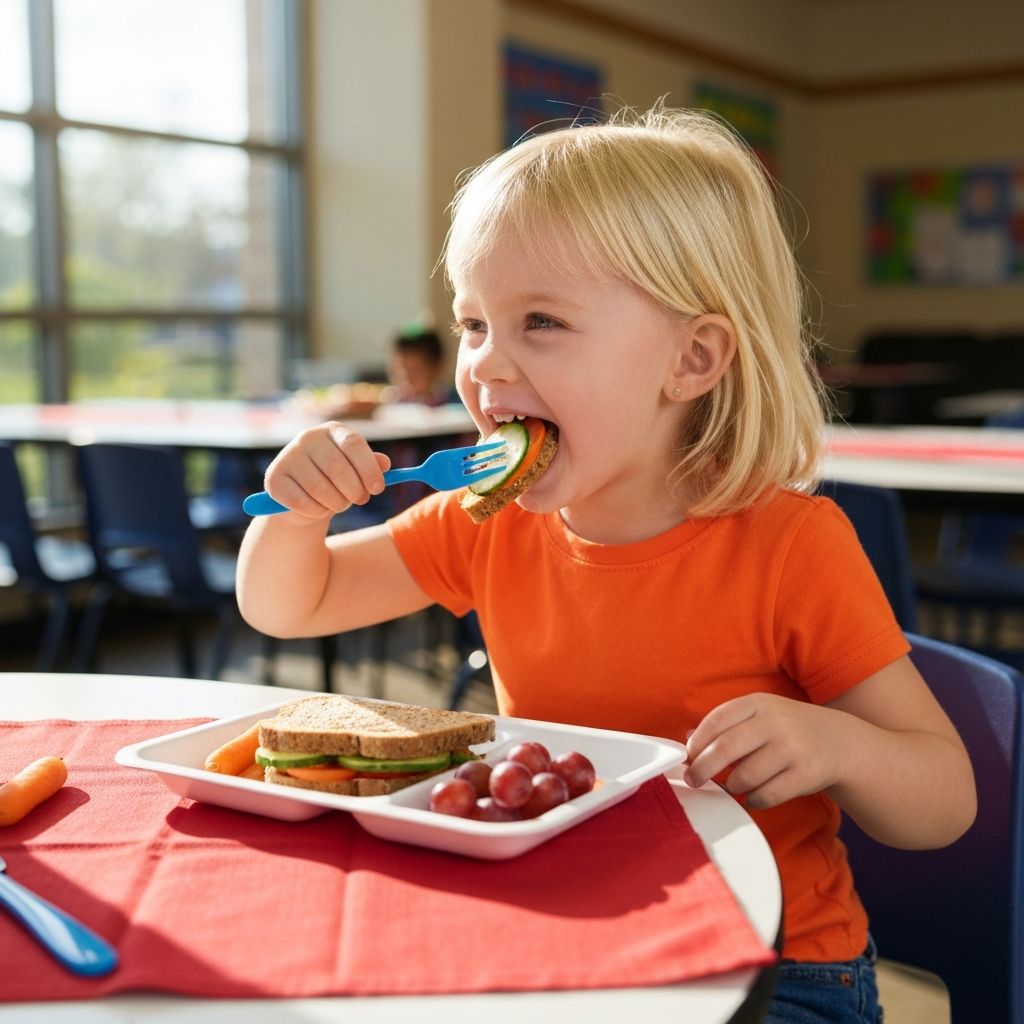
Building healthy eating habits starts early
Educational Information Only
This content is for educational and awareness purposes only. It is not medical or dietary advice. Individual situations differ—please consult a healthcare professional for personalized guidance.
Key Takeaways
- Ultra-processed foods make up 65-67% of children's calories in many countries
- Eating habits formed in childhood tend to persist into adulthood
- Heavy marketing makes UPF appealing to kids—awareness helps parents compete
- Small swaps at breakfast and snack time can significantly reduce UPF intake
- Turn healthy eating into a game—kids respond better than to lectures
Want to check how processed your meals are?
The UPFScore app lets you snap a photo and instantly see your meal's ultra-processed food content.
How Much UPF Do Kids Actually Eat?
The numbers are concerning. If you're not sure what counts as ultra-processed food, it includes most packaged snacks, sugary cereals, chicken nuggets, and soft drinks.
- In the US, ultra-processed foods make up about 67% of children's calorie intake
- In the UK, the figure is around 65% for children and teenagers
- These percentages have been rising steadily over recent decades
Why It Matters More for Kids
The concerns about UPF are particularly acute for children because eating habits formed young tend to persist, and children's developing bodies may be more vulnerable. High UPF diets often displace whole foods crucial for growth.
For more on health impacts, see our guide to ultra-processed food health risks.
Want to check your child's favorite snacks?
UPFScore analyzes any meal from a photo—no ingredient list required.
Get My UPF Score Early Access5 Questions to Check if a Kids' Snack is Ultra-Processed
- 1. Does it have more than 5 ingredients?
- 2. Are there ingredients you wouldn't use at home?
- 3. Does it come in bright, cartoon-covered packaging?
- 4. Can it sit on a shelf for months without spoiling?
- 5. Is it heavily advertised to children?
If you answered "yes" to 3 or more, it's likely ultra-processed. Learn more about spotting UPF on labels.
Practical Swaps for Family Meals
Breakfast
Swap sugary cereals for plain oats with fresh fruit and honey
Snacks
Replace packaged snacks with apple slices and peanut butter
Lunch
Try leftover roast chicken or canned tuna instead of deli meats
Drinks
Swap sodas for water with fresh fruit slices
For more ideas, check our guide to simple ultra-processed food swaps.
Make It a Family Game
Children respond better to gamification than lectures. Use the UPFScore app at dinner and ask: "What's our score tonight?" Celebrate low-UPF meals and make finding tasty alternatives a fun challenge.
Frequently Asked Questions
How can I reduce my child's UPF intake without causing food battles?
Focus on adding good foods rather than restricting. Offer whole foods alongside familiar items. Make small, gradual changes. Involve kids in food preparation—they're more likely to eat what they helped make. Avoid labeling foods as 'good' or 'bad.'
Are school lunches ultra-processed?
Many school meals contain ultra-processed items. Consider packing lunches when possible, focusing on simple foods: sandwiches on real bread, fruit, vegetables, cheese, and nuts. If packing isn't an option, talk to your school about menu options.
What about treats and special occasions?
An occasional treat is fine. The goal isn't perfection—it's shifting the overall pattern. If most meals are based on whole foods, occasional ultra-processed treats won't derail health. Focus on what's normal, not what's occasional.
Sources & Further Reading
- Ultra-processed food consumption in US children - JAMA
JAMA study finding 67% of children's calories come from ultra-processed foods.
- UK National Diet and Nutrition Survey
UK government survey showing UPF consumption trends in children.
- Association of ultra-processed food intake with growth in children
Research on UPF consumption and child development outcomes.
Make Healthy Eating a Family Activity
Scan your family meals together with UPFScore. Kids love seeing the results, and you'll all learn which foods to swap.
As a parent focused on your children's health, UPFScore helps you turn meal awareness into a fun family habit.
Join the free early access list to try the app as soon as it's ready and get occasional tips on cutting ultra-processed foods. We'll only email you with important updates—no spam, ever.
Get My UPF Score Early AccessSee all our ultra-processed food guides
About UPFScore
UPFScore is on a mission to help people understand and reduce ultra-processed foods in their diet. Our AI-powered app makes it easy to see how processed your meals really are.
Built by someone passionate about making healthy eating simpler and more accessible for everyone.
Learn more about us and our mission →