
Ultra-Processed Foods and Inflammation Risk: What You Should Know
Chronic, low-grade inflammation is increasingly recognized as a driver of many modern diseases. Research suggests that ultra-processed foods may be one factor promoting this harmful inflammation.
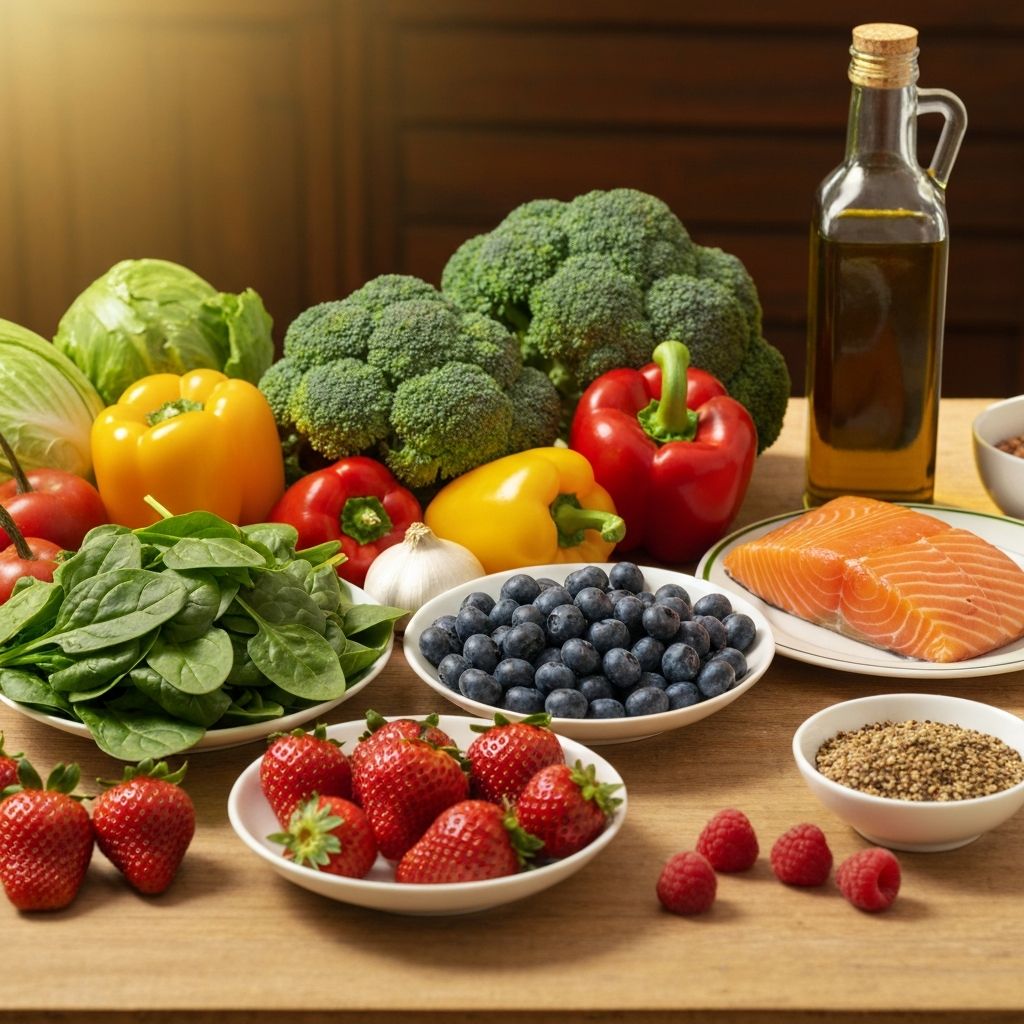
Anti-inflammatory foods can help counteract the effects of processed diets
Educational Information Only
This content is for educational and awareness purposes only. It is not medical or dietary advice. Individual situations differ—please consult a healthcare professional for personalized guidance.
Key Takeaways
- Chronic low-grade inflammation is linked to many modern diseases
- Ultra-processed foods may promote inflammation through multiple mechanisms
- High sugar, refined carbs, and certain additives are key culprits
- Anti-inflammatory diets emphasize whole foods and omega-3 fats
- Reducing UPF is one practical step toward lowering inflammation
Concerned about inflammation in your diet?
Use UPFScore to see how processed your plate is and identify high-UPF patterns that may contribute to inflammation.
What Is Low-Grade Inflammation?
Inflammation is your body's natural response to injury or infection. Acute inflammation—like swelling after a cut—is helpful and temporary. But chronic, low-grade inflammation is different: it's a subtle, ongoing state where the immune system stays slightly activated.
This chronic inflammation doesn't cause obvious symptoms but may contribute to cellular damage over time. It's been linked to cardiovascular disease, type 2 diabetes, certain cancers, and even cognitive decline.
Want to see your meal's UPF Score?
Snap a photo and get an instant breakdown of ultra-processed foods on your plate.
Get My UPF Score Early AccessHow Ultra-Processed Foods May Promote Inflammation
Several mechanisms may explain how ultra-processed foods contribute to inflammation:
- Excess sugar and refined starches: Spike blood sugar and may trigger inflammatory responses
- Low fiber content: Fiber feeds beneficial gut bacteria that help regulate inflammation
- Poor fat quality: Some UPF contains trans fats or excessive omega-6 fats that promote inflammation
- Additives and emulsifiers: Some may disrupt gut barrier function and trigger immune responses
- Impact on gut microbiota: UPF can reduce microbial diversity, which is linked to increased inflammation
Health Conditions Linked to Diet-Driven Inflammation
Research has found associations between chronic inflammation and:
- Cardiovascular disease: Inflammation plays a key role in atherosclerosis
- Obesity: Fat tissue produces inflammatory chemicals; inflammation also promotes fat storage
- Type 2 diabetes: Inflammation impairs insulin sensitivity
- Certain cancers: Chronic inflammation may promote tumor development
- Neurodegenerative diseases: Brain inflammation is implicated in Alzheimer's and Parkinson's
Learn more about the health risks of ultra-processed foods.
Practical Steps to Lower Inflammation Through Diet
While diet is just one factor, these changes may help reduce inflammation:
- Eat more whole and minimally processed foods: Fruits, vegetables, whole grains, legumes
- Emphasize high-fiber plant foods: They support anti-inflammatory gut bacteria
- Include healthy fats: Fatty fish, olive oil, nuts, and avocados provide omega-3s
- Reduce ultra-processed snacks and sugary drinks: These are often the biggest UPF drivers
- Consider anti-inflammatory spices: Turmeric, ginger, and garlic have anti-inflammatory properties
For practical ideas, check our guide to simple food swaps and learn about gut health and diet.
Related Guides
Gut Health and Diet →
How your gut microbiome affects inflammation and overall health.
Health Risks of UPF →
The broader health impacts of ultra-processed foods.
Frequently Asked Questions
How do I know if I have chronic inflammation?
Chronic low-grade inflammation often has no obvious symptoms. Blood tests like C-reactive protein (CRP) or ESR can indicate inflammation. Speak with your doctor if you're concerned. Risk factors include being overweight, high stress, poor sleep, and a diet high in ultra-processed foods.
Can changing diet actually reduce inflammation?
Yes. Studies show that dietary changes can measurably reduce inflammatory markers. Mediterranean and anti-inflammatory diets that emphasize whole foods, fish, olive oil, and vegetables while limiting UPF have shown promising results in clinical trials.
Which ultra-processed foods cause the most inflammation?
Sugary drinks, processed meats, and snacks high in refined oils tend to be the most inflammatory. Foods with trans fats (still found in some products) are particularly harmful. Generally, the more highly processed and the longer the ingredient list, the higher the inflammatory potential.
How long does it take for diet changes to reduce inflammation?
Some studies show improvements in inflammatory markers within weeks of dietary changes. However, sustainable long-term changes are more important than short-term fixes. Focus on gradual, lasting shifts rather than drastic temporary diets.
Sources & Further Reading
- Ultra-processed foods and inflammation - Journal of the American College of Cardiology
Research on the relationship between UPF consumption and inflammatory markers.
- Diet and inflammation: A review
Comprehensive review of how dietary patterns influence inflammation.
- Anti-inflammatory diets - Harvard Health
Practical guidance on anti-inflammatory eating patterns.
- Ultra-processed food consumption and chronic inflammation
Study on UPF intake and systemic inflammation markers.
About UPFScore
UPFScore is on a mission to help people understand and reduce ultra-processed foods in their diet. Our AI-powered app makes it easy to see how processed your meals really are.
Built by someone passionate about making healthy eating simpler and more accessible for everyone.
Learn more about us and our mission →Check Your Meal's UPF Score
Ready to see how processed your meals really are?
Because inflammation often builds silently over time, tracking your UPF intake helps you spot patterns before they become problems.
Join the free early access list to try the app as soon as it's ready and get occasional tips on cutting ultra-processed foods. We'll only email you with important updates—no spam, ever.
Get My UPF Score Early Access