
Ultra-Processed vs Processed Food: What's the Difference?
Not all processing is equal. Understanding the difference between processed vs ultra-processed food helps you make smarter choices without eliminating entire food categories unnecessarily.
Confused about which foods are okay? Scan any meal with UPFScore to see exactly what percentage is ultra-processed vs. simply processed.
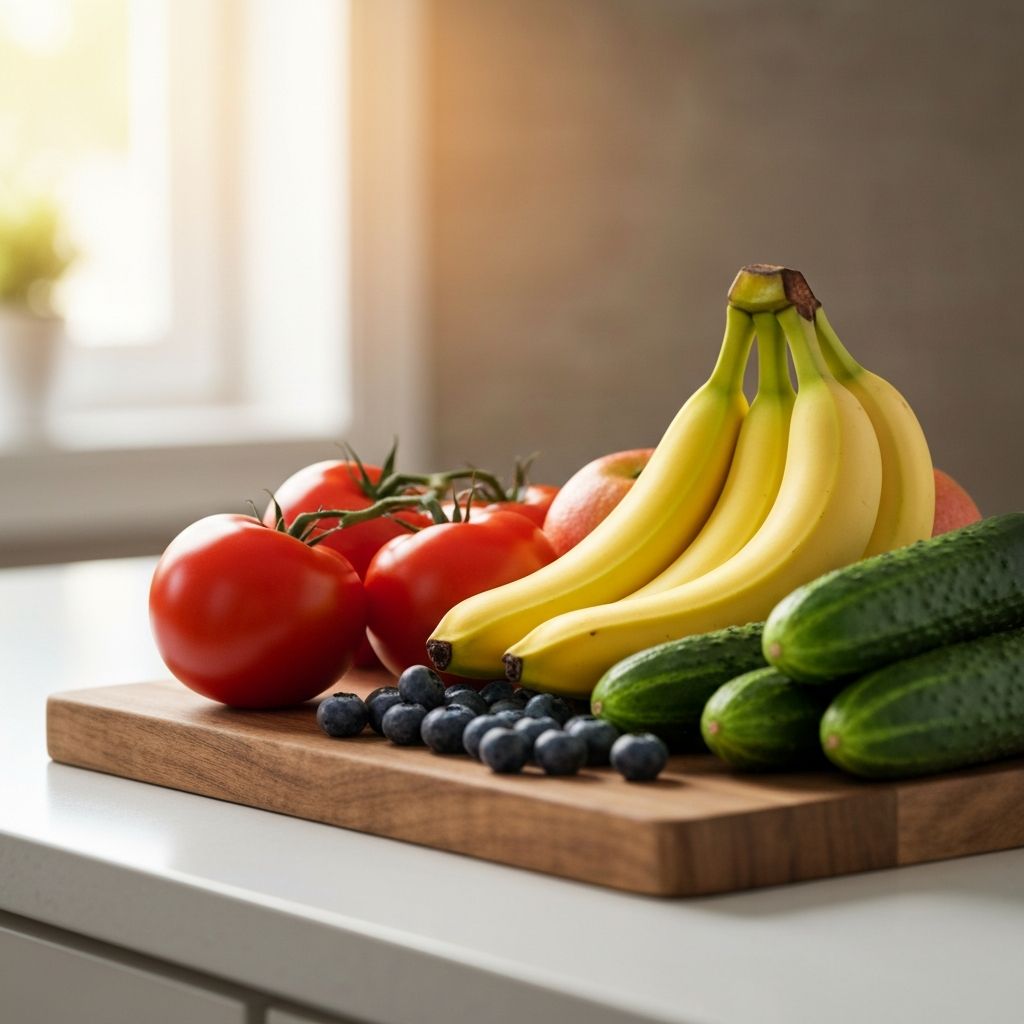
Whole and minimally processed foods form the foundation of a healthy diet
Key Takeaways
- The NOVA system divides foods into 4 groups by processing level
- Processed foods (canned beans, cheese) can be part of a healthy diet
- Ultra-processed foods contain industrial additives not found in home kitchens
- It's ultra-processing—not all processing—that research links to health risks
- Focus on reducing Group 4 (ultra-processed), not all processed foods
The Four NOVA Groups Explained
The NOVA classification system, developed by researchers at the University of São Paulo, divides foods into four groups based on industrial processing:
Group 1: Unprocessed or Minimally Processed
Foods in their natural state or altered only by drying, freezing, or pasteurization. Nothing added.
Examples: Fresh fruits, vegetables, eggs, plain milk, nuts, meat, fish, plain oats
Group 2: Processed Culinary Ingredients
Ingredients extracted from whole foods: oils, butter, sugar, salt, flour. Used in cooking.
Examples: Olive oil, butter, honey, salt, flour, vinegar
Group 3: Processed Foods
Foods made by combining Group 1 with Group 2 using simple methods. Usually 2-3 ingredients.
Examples: Canned beans, cheese, simple bread, canned fish, salted nuts, pickles
Group 4: Ultra-Processed Foods
Industrial formulations with 5+ ingredients, including emulsifiers, flavor enhancers, and colorings.
Examples: Soft drinks, packaged snacks, instant noodles, breakfast cereals, frozen pizza
For a deeper dive into what defines UPF, see what is ultra-processed food.
Not sure which group your food falls into?
Snap a photo of any meal with UPFScore and get an instant breakdown of what percentage is ultra-processed vs. simply processed.
Get My UPF Score Early AccessSide-by-Side Comparison
Minimally Processed
- Fresh fruits
- Plain oats
- Eggs
- Fresh meat
- Nuts
- Plain milk
Processed
- Canned beans
- Cheese
- Canned fish
- Simple bread
- Salted nuts
- Pickles
Ultra-Processed
- Soft drinks
- Packaged snacks
- Instant noodles
- Breakfast cereals
- Frozen pizza
- Hot dogs
Why This Distinction Matters
Research consistently shows that it's ultra-processed foods—not all processed foods—that are most strongly linked to negative health outcomes.
Canned tomatoes retain most nutrients and can be part of a healthy diet. But a tomato-flavored instant soup with 30 ingredients including flavor enhancers is a different story. Learn more about the health risks of ultra-processed foods.
Quick Decision Framework
When evaluating whether a food is ultra-processed, ask these questions:
- 1.Does it have more than 5 ingredients?
- 2.Are there ingredients you wouldn't find in a home kitchen?
- 3.Could you make this at home with basic ingredients?
If yes to #1 and #2, and no to #3, it's likely ultra-processed.
Related Guides
Complete UPF List →
Full list of ultra-processed foods by category.
How to Read Food Labels →
Spot ultra-processed foods by checking ingredient lists.
Simple Food Swaps →
Replace UPF with whole food alternatives.
Frequently Asked Questions
Is cheese ultra-processed?
Traditional cheese made from milk, salt, and cultures is processed (Group 3), not ultra-processed. However, some 'cheese products' with long ingredient lists including emulsifiers and colorings are ultra-processed. Check the label—if it lists many additives, it's likely UPF.
Is bread ultra-processed?
Simple bread with flour, water, yeast, and salt is processed, not ultra-processed. Mass-produced bread with dough conditioners, emulsifiers, and preservatives is ultra-processed. Bakery bread with short ingredient lists is usually fine.
Should I avoid all processed foods?
No. Some processing is beneficial—it makes foods safer, more accessible, and longer-lasting. Frozen vegetables, canned beans, and pasteurized milk are minimally processed and nutritious. Focus on reducing ultra-processed foods (Group 4), not all processing.
Sources & Further Reading
- NOVA Food Classification System (Original Paper)
The original research paper defining the NOVA classification and four food processing groups.
- FAO Guidelines on Using NOVA
Food and Agriculture Organization guidance on using NOVA for dietary assessment and policy.
- WHO Europe Report on Ultra-Processed Foods (2024)
World Health Organization report on UPF health impacts using NOVA classification framework.
See Your Plate's Processing Breakdown
Stop guessing which foods are ultra-processed vs. simply processed.
Use UPFScore to scan any meal and get an instant breakdown showing exactly what percentage is ultra-processed—so you know where to focus your efforts.
Join the free early access list to try the app as soon as it's ready and get occasional tips on cutting ultra-processed foods. We'll only email you with important updates—no spam, ever.
Get My UPF Score Early AccessSee all our ultra-processed food guides →
About UPFScore
UPFScore is on a mission to help people understand and reduce ultra-processed foods in their diet. Our AI-powered app makes it easy to see how processed your meals really are.
Built by someone passionate about making healthy eating simpler and more accessible for everyone.
Learn more about us and our mission →